
The Psychology of Trust: How Branding Shapes Perceived Value
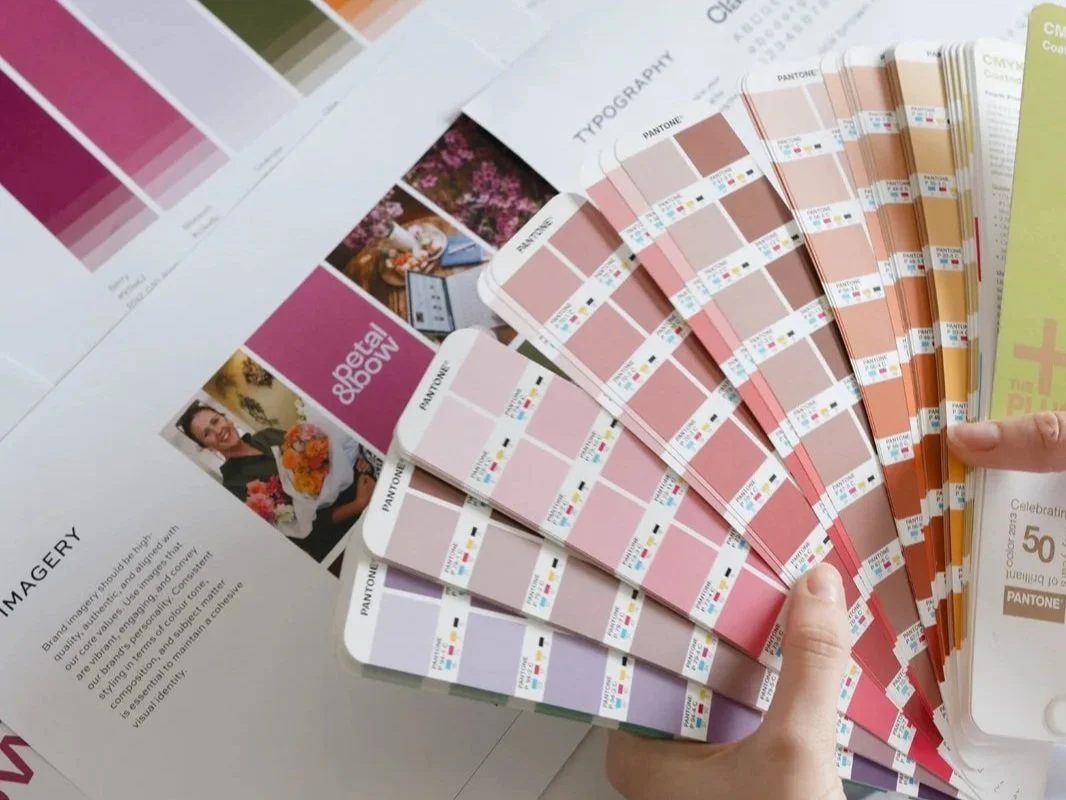
Before I became a brand designer, I studied psychology. I didn't expect it to shape my design work so much, but it explains almost everything about why some brands feel instantly credible and others, no matter how good the service, never quite do.
Branding isn't decoration. It's applied psychology. Here are the principles that matter most for any business that wants to be trusted and valued at a higher level.
Branding isn't decoration. It's applied psychology. Here are the principles that matter most for any business that wants to be trusted and valued at a higher level.
1. Trust is decided fast
Research on web design has found that people form a visual impression of a site in a fraction of a second, and that early impression strongly influences how they judge everything that follows. People then look for evidence to confirm that first reaction rather than challenge it.
For your business, this means your brand is doing the first round of persuasion before anyone reads a word. A strong first impression doesn't guarantee a sale, but a weak one makes every later step harder.
2. The brain prefers what's easy to process
Psychologists call it processing fluency: we tend to trust and prefer things that are easy for our brains to take in. Clear hierarchy, consistent typography, generous spacing and a coherent colour palette all make a brand easier to process, and that ease is often read as quality and competence.
Cluttered layouts, mixed fonts and inconsistent visuals do the opposite. They create friction, and friction reads as risk.
3. The halo effect
The halo effect is our tendency to let one positive impression colour our judgement of everything else. If your brand looks polished and professional, people assume your work, your process and your communication are polished and professional too.
The reverse is also true. A dated or inconsistent brand can cast a shadow over genuinely excellent work.
4. Consistency is a signal
In behavioural science, signals work best when they're hard to fake. Consistency across every touchpoint is exactly that kind of signal. It takes planning and discipline to keep your website, proposals, social media and signage aligned, so people read it as evidence that you're organised and that you care about the details.
When a client sees a mismatch, they don't think 'creative'. They wonder what else might be inconsistent.
5. Anchoring and price perception
People rarely judge price in isolation. They judge it against a reference point, and your brand helps set that reference point. A premium-looking brand anchors the conversation at a higher level, so your fees feel proportionate. An entry-level brand anchors it lower, so the same fee feels like a stretch.
6. Congruence builds trust
Trust grows when what you promise matches what people experience. If your brand says 'considered and premium' but your onboarding is rushed or your website is hard to use, the mismatch breaks trust. Good brand design isn't just visual. It's about making sure every part of the experience supports the same story.
You don't need to become a psychologist to use these principles.
You need a brand built on clear strategy and applied consistently:
Define your positioning so every decision has a reference point.
Design a visual identity that is clear, cohesive and appropriate to your price point.
Apply it consistently across your website, documents and social media.
Make sure the client experience lives up to what the brand promises.
When those pieces line up, your brand stops being something you have and becomes something that actively builds trust on your behalf.
Want to see how these principles apply to your business? Get in touch and let's talk through it.