
Why Your Brand Isn't Attracting Premium Clients (and What to Fix First)
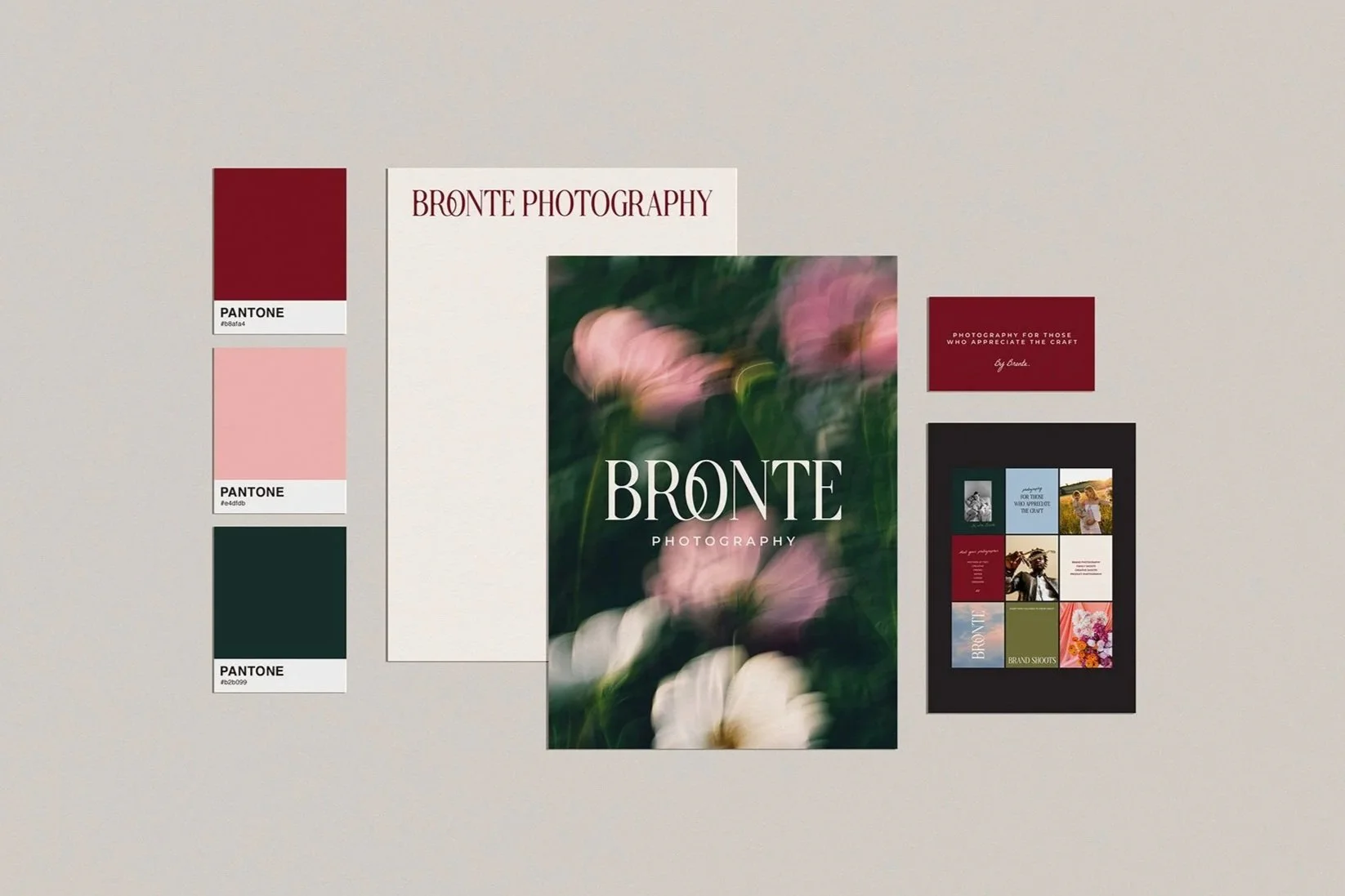
You're good at what you do. Your clients say so, your referrals prove it, and your work keeps getting more complex. And yet the enquiries still arrive asking for a quick quote, comparing you to the cheapest option, or expecting more for less.
If that sounds familiar, the problem is rarely your service. It's the gap between the value you deliver and the value people can see before they ever speak to you.
Perception sets your price before you do
Most services can't be judged in advance. A potential client can't test your expertise before hiring you, so they look for shortcuts to decide whether you're worth it. Your brand is the biggest shortcut they have.
The way you look, the way you write, how consistent you are across your website, proposals and social media: all of it quietly tells a buyer what category of business you are. If your brand reads as entry-level, you'll be priced like entry-level, no matter how experienced you are.
What I call the perception gap
The perception gap is the distance between what your business is worth and what your brand communicates. It tends to open up as a business grows. The brand you built in your first year was designed for a smaller, scrappier version of you. Your skills, clients and pricing have moved on. Your brand hasn't.
The result is a business that is stronger than it looks, and a brand that is quietly working against it.
Where the gap shows up
Visual identity: a logo and palette that feel generic, dated or mismatched to your price point.
Messaging: vague positioning that describes what you do but not why it matters or who it's for.
Consistency: different fonts, colours and tones on every platform, which signals a lack of attention to detail.
Your website: the first place most clients decide whether to trust you, and often the place that undersells you most.
What to fix first (hint: it isn't the logo)
When businesses realise their brand is holding them back, they usually jump straight to a new logo. That's like repainting a house before checking the foundations. The order matters.
Positioning. Get clear on who you serve, what you do better than anyone else, and why it's worth more. Everything else flows from this.
Messaging. Put that positioning into words that speak to your ideal client's priorities, not just your list of services.
Visual identity. Only now do you design the logo, colours, typography and imagery, so they express the positioning rather than decorate it.
Touchpoints. Roll the brand out across your website, proposals, social media and any print, so the experience is consistent everywhere a client meets you.
Skip the first two steps and you end up with something that looks nice but doesn't change how you're perceived or priced.

What changes when the gap closes
When perception catches up with value, the shift is usually noticeable. Price conversations get easier because the brand has already done some of the convincing. Enquiries tend to be better qualified. And you gain the confidence to charge what your work is worth, because your brand now backs it up.
Is it time to rebrand?
A quick test: if a stranger saw only your website and your social media, would they guess you're at the top of your field, or somewhere in the middle? If it's the latter, your brand is the most likely place to start.
If you'd like a second opinion, get in touch and I'll tell you honestly where I think your brand is helping you and where it's holding you back.